

-
Basil seeds, also known as Sabja seeds or Tukmaria, offer various health benefits and are rich in minerals. These seeds are a good source of minerals, with 1 tablespoon supplying 15% of the recommended daily intake of certain nutrients. Basil seeds are known for improving digestive health, aiding in weight loss efforts, boosting skin appearance, strengthening hair, regulating blood sugar levels, and providing other health benefits
-
Chia seeds are small black or white seeds that come from the Salvia hispanica plant, which is native to Mexico and Guatemala. They have been used as a dietary staple for thousands of years by the Aztec and Mayan civilizations. Chia seeds are rich in omega-3 fatty acids, fiber, protein, and various micronutrients, making them a popular superfood. They can be eaten raw or added to smoothies, baked goods, yogurt, and oatmeal. When soaked in water, chia seeds form a gel-like substance, which can be used as an egg substitute in vegan baking. Chia seeds are also gluten-free and can be consumed by people with celiac disease or gluten intolerance.
-
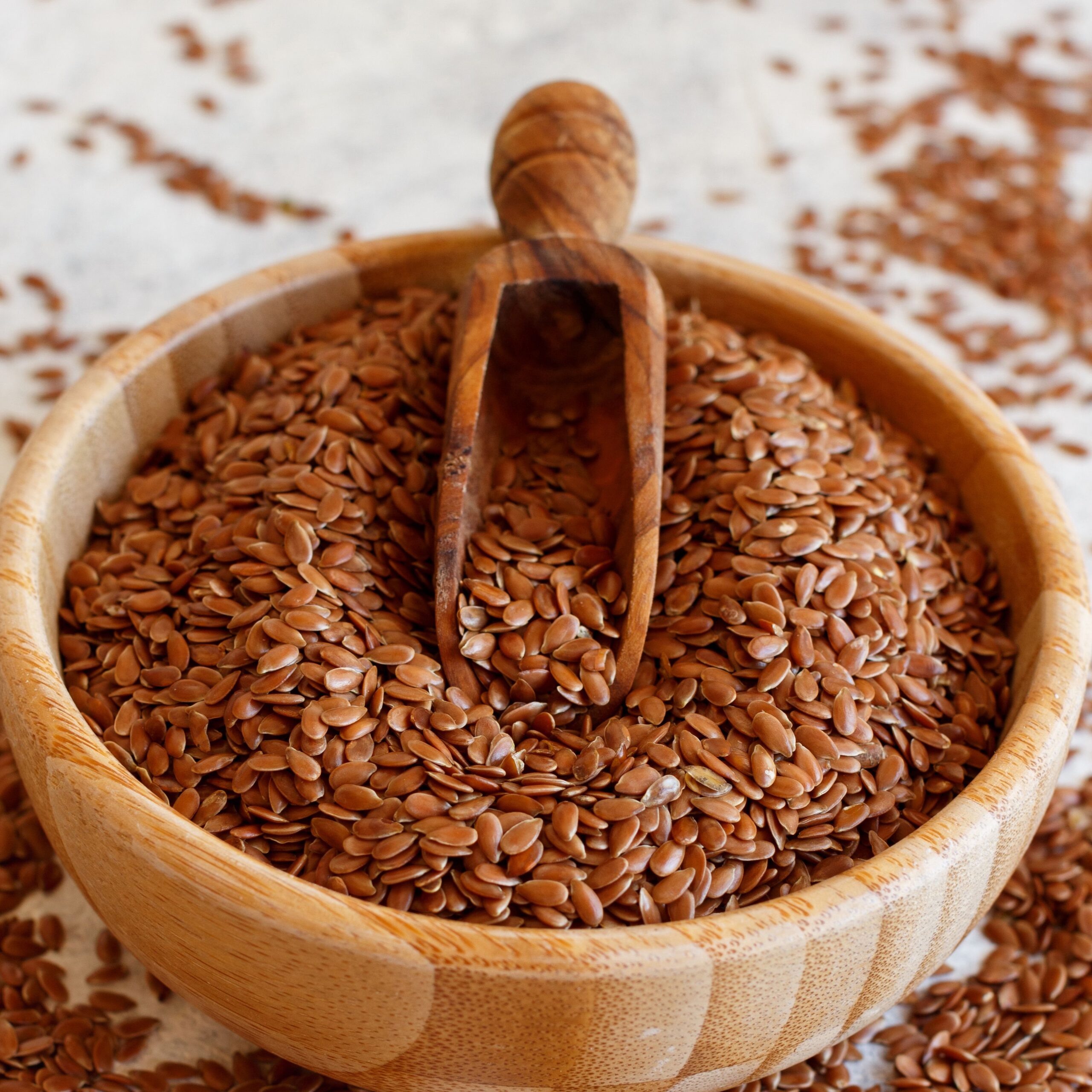
Flax seeds are nutrient-rich seeds known for their high content of omega-3 fatty acids, fiber, and antioxidants, which support heart health, digestion, and overall well-being.
-
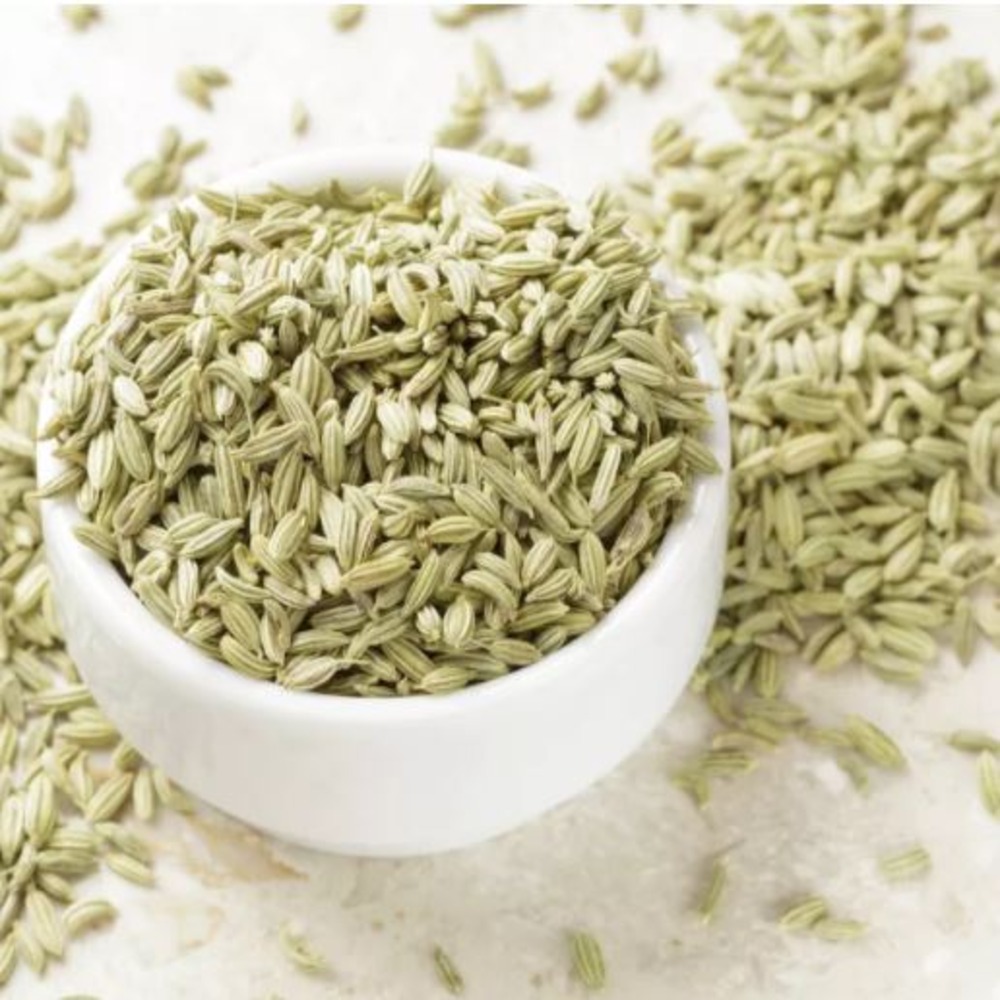
Kashmiri saunf refers to fennel seeds that are native to the Kashmir region of India. Fennel seeds, scientifically known as Foeniculum vulgare, are a commonly used spice in various cuisines around the world, including Indian, Middle Eastern, and Mediterranean cuisines.
-
khuskhus/ Poppy Seeds 50 GM
0Original price was: ₹150.00.₹125.00Current price is: ₹125.00.Out of stock
Khuskhus, also known as poppy seeds, are small, oil-rich seeds derived from the poppy plant, known for their nutty flavor and high nutritional value, including essential minerals, healthy fats, and antioxidants. -
Watermelon seeds also called magaj are used extensively in Indian cooking. Char Magaz is a powerful antioxidant and thus helps to reduce free radical damage in the body. The seed oils being a rich source of fatty acids prevents several signs of aging like wrinkles, fine lines, dark circles, and spots. It also reduces the risk of skin cancer.
-
Mix seeds are a blend of various nutrient-dense seeds, such as flax, chia, pumpkin, and sunflower, offering a range of health benefits including improved heart health, digestion, and overall wellness.
-
Pumpkin seeds are the edible seeds of the pumpkin fruit, also known as pepitas. They are flat, oval-shaped and green in color, covered by a white outer shell, which is removed before consumption. Pumpkin seeds are a good source of various nutrients such as protein, fiber, healthy fats, iron, magnesium, potassium, zinc, and antioxidants.
-
Saunf, or fennel seeds, are aromatic seeds renowned for their digestive, antioxidant, and medicinal properties, aiding in digestion, freshening breath, supporting weight loss, and promoting overall health.
-
Sesame seeds are an excellent source of manganese and calcium, both of which help your bones grow healthy and strong. Calcium also plays a role in nerve signal transmission, muscle movement, blood vessel function, and hormone release. Other vitamins and minerals found in sesame seeds include Phosphorous.
-
The sunflower seed is the seed of the sunflower. There are three types of commonly used sunflower seeds: linoleic, high oleic, and sunflower oil seeds. Each variety has its own unique levels of monounsaturated, saturated, and polyunsaturated fats. The information in this article refers mainly to the linoleic variety
-
Watermelon seeds are one of the most nutrient-dense varieties of seeds. They are a rich source of proteins, vitamins, omega 3 and 6 fatty acids, magnesium, zinc, copper, potassium, and more. However, these seeds are high in calories, so you need to be mindful of your portions.




- Image
- SKU
- Rating
- Price
- Stock
- Availability
- Add to cart
- Description
- Content
- Weight
- Dimensions
- Additional information